Albacore Tuna
Albacore tuna is one of the most recognizable tuna species in the world, and if you’ve ever cracked open a can of “white meat” tuna, you’ve already eaten it. But there’s a lot more to this fish than sandwich filling. Albacore is a powerful pelagic predator, a prized sport fish, and a sustainable seafood option when sourced responsibly. Whether you’re looking to catch one or cook one, here’s what you need to know.
What Is Albacore Tuna?
Albacore tuna, scientifically known as Thunnus alalunga, is a species of tuna found in temperate and tropical waters across the globe. It’s part of the same family as bluefin, yellowfin, and bigeye tuna, but it has some distinct characteristics that set it apart. Albacore typically grows to about 4 feet in length and can weigh up to 90 pounds, though most caught by anglers fall in the 15 to 40-pound range.
The easiest way to identify an albacore is by its long, slender pectoral fins, which extend well past the second dorsal fin. Its back is a deep blue, fading to silver on the sides and belly. That clean, pale flesh is what gives it the “white tuna” label at the grocery store.
Where to Find Albacore
Albacore are highly migratory and travel in schools across the open ocean. In the United States, the best sport fishing for albacore happens off the West Coast, particularly out of Oregon, Washington, and California. They typically show up in late spring and stick around through early fall, following baitfish and favorable water temperatures.
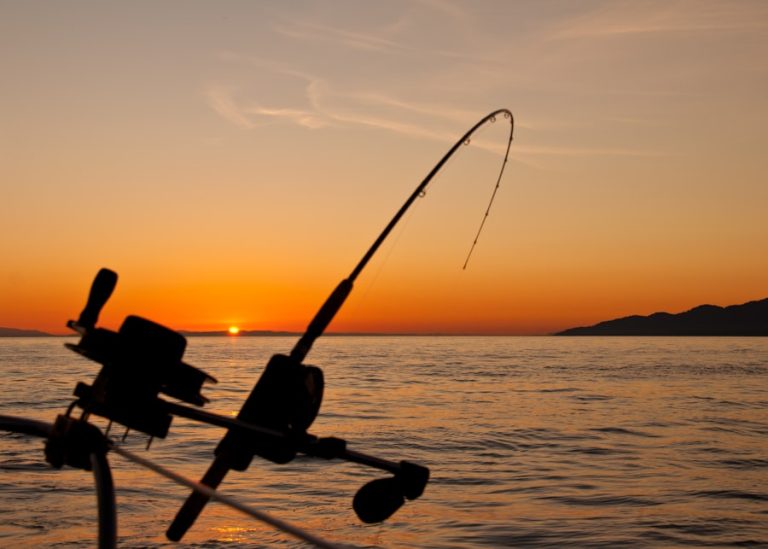
Anglers target them by trolling feather jigs, cedar plugs, or small lures designed to mimic schooling baitfish. Once you locate a school, the action can be fast and furious. Albacore fight hard for their size, making them a blast on light tackle.
How to Catch Albacore
- Trolling is king. Most albacore are caught by trolling at speeds between 5 and 8 knots. Spread your lines at different depths to cover more water.
- Watch the water. Look for temperature breaks, bait balls, and diving birds. Albacore push bait to the surface, and birds will tell you where the action is.
- Use light tackle. A 20 to 30-pound conventional setup is plenty. Albacore aren’t giants, but they pull hard and make long runs.
- Bring a gaff. These fish are torpedo-shaped and slippery. A gaff makes getting them in the boat much easier.
Albacore as Table Fare
Fresh albacore is outstanding. The meat is milder than bluefin or yellowfin, with a firm texture that holds up well to grilling, searing, or even raw preparations like sushi and poke. If you’re keeping fish for the table, bleed and ice them immediately. Albacore spoils quickly in warm temperatures, so proper care is essential.
Sustainability
Albacore is generally considered one of the more sustainable tuna species, especially when caught by pole-and-line or troll methods. These selective fishing techniques have lower bycatch rates compared to longlining or purse seining. If sustainability matters to you — and it should — look for albacore labeled as troll-caught or pole-caught.
Final Thoughts
Albacore tuna might not have the trophy status of a bluefin or the sushi-bar fame of yellowfin, but it’s a fantastic fish in its own right. It fights hard, tastes great, and offers anglers a legitimate offshore experience without needing a mega-yacht to chase it down. If you get the chance to target albacore, take it. You won’t be disappointed.